

Hey there, cycling enthusiasts! As a supplier of Pro Carbon Handlebars, I'm stoked to dive into a hot topic: how do Pro Carbon Handlebars stack up against carbon - fiber - reinforced plastic (CFRP) handlebars?
Let's start by understanding what we're dealing with. Carbon - fiber - reinforced plastic handlebars are pretty common in the cycling world. CFRP is a composite material made by embedding carbon fibers in a plastic matrix. It's been around for a while and has earned its place on many bikes. On the other hand, Pro Carbon Handlebars are a cut above the rest. They're crafted with top - notch carbon fiber technology, offering a unique set of features that make them stand out.
Weight
One of the first things cyclists look at is weight. In general, Pro Carbon Handlebars are lighter than CFRP handlebars. The advanced carbon manufacturing process used in Pro Carbon Handlebars allows for a more optimized design. This means we can remove excess material without sacrificing strength. A lighter handlebar can make a big difference, especially when you're climbing those steep hills. Every gram counts, and with Pro Carbon Handlebars, you're getting a handlebar that helps you shave off some weight from your bike. Check out our High - Strength Carbon Plate for more examples of how we use high - quality carbon in our products.
Strength and Stiffness
Strength and stiffness are crucial for a handlebar. You want a handlebar that can withstand the forces you put on it during aggressive riding, cornering, and braking. Pro Carbon Handlebars are engineered to be incredibly strong. The carbon fibers are carefully aligned and layered to provide maximum strength in the areas where it's needed most. This results in a handlebar that's not only strong but also very stiff. A stiffer handlebar gives you better control over your bike, allowing you to transfer power more efficiently from your hands to the wheels.
CFRP handlebars also have decent strength and stiffness, but they may not be as refined as Pro Carbon Handlebars. The plastic matrix in CFRP can sometimes add a bit of flex that you might not want in high - performance situations. With Pro Carbon Handlebars, you can trust that you're getting a handlebar that can handle the toughest rides.
Vibration Damping
Riding on rough roads can be a real pain in the hands. That's where vibration damping comes in. Pro Carbon Handlebars have excellent vibration - damping properties. The carbon fiber material has a natural ability to absorb and dissipate vibrations, which means less fatigue for your hands. This is a huge advantage, especially on long rides.
CFRP handlebars may not offer the same level of vibration damping. The plastic matrix can transmit more vibrations to your hands, making your ride less comfortable. With Pro Carbon Handlebars, you can enjoy a smoother, more comfortable ride, even on bumpy terrain.
Aerodynamics
Aerodynamics play a big role in cycling, especially for competitive riders. Pro Carbon Handlebars are designed with aerodynamics in mind. Their sleek shape and smooth surfaces help reduce drag, allowing you to cut through the air more efficiently. This can translate into faster speeds and less energy wasted.
CFRP handlebars may not have the same aerodynamic design. Their shape and surface finish may not be as optimized for reducing drag. If you're looking to gain an edge in your races or just want to ride faster, Pro Carbon Handlebars are a great choice.
Customization
Another great thing about Pro Carbon Handlebars is the level of customization available. We can tailor the shape, width, and drop of the handlebars to your specific needs. Whether you're a road cyclist, a mountain biker, or a triathlete, we can create a handlebar that's perfect for you.
CFRP handlebars usually come in more standard sizes and shapes. While they can still fit a wide range of riders, they may not offer the same level of customization as Pro Carbon Handlebars.
Durability
Durability is an important factor when choosing a handlebar. Pro Carbon Handlebars are built to last. The high - quality carbon fiber material and the precise manufacturing process ensure that the handlebars can withstand the rigors of regular use. They're resistant to corrosion, impact, and wear.
CFRP handlebars also have a decent level of durability, but the plastic matrix may be more prone to damage over time. The carbon fibers in Pro Carbon Handlebars are better protected and more likely to maintain their integrity for a longer period.
Cost
Let's talk about cost. Pro Carbon Handlebars are generally more expensive than CFRP handlebars. This is because of the higher - quality materials and the more advanced manufacturing processes used. However, when you consider the benefits they offer in terms of weight, strength, vibration damping, aerodynamics, customization, and durability, the extra cost is well worth it.
If you're a serious cyclist who wants the best performance and comfort, investing in Pro Carbon Handlebars is a smart move. You'll get a handlebar that will enhance your riding experience and last for a long time.
Other Carbon Fiber Products
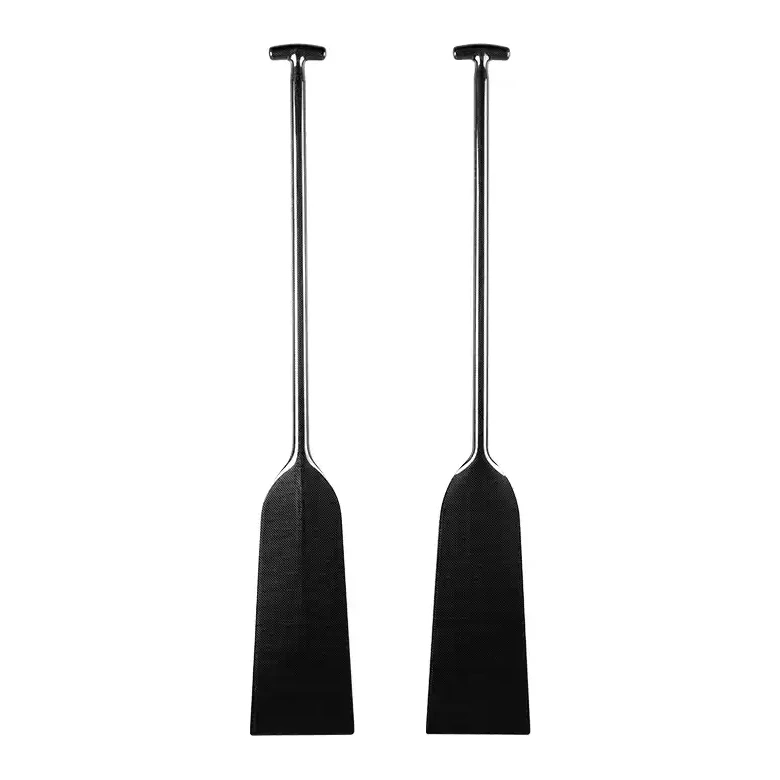
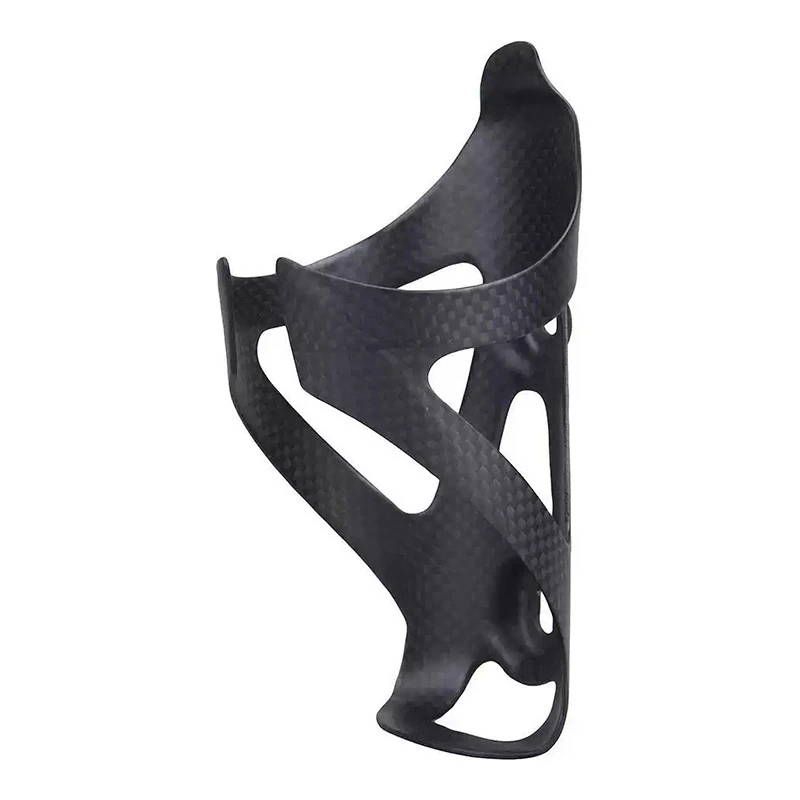
We also offer a range of other carbon fiber products that complement our Pro Carbon Handlebars. Check out our Carbon Side Loading Bottle Cage, which is lightweight and stylish. Our Carbon Fiber Paddleboard is perfect for water sports enthusiasts. And if you're into padel, our Full Carbon Padel Racket is a high - performance option.
Conclusion
In conclusion, Pro Carbon Handlebars have a lot to offer compared to carbon - fiber - reinforced plastic handlebars. They're lighter, stronger, have better vibration damping, are more aerodynamic, offer more customization, and are more durable. While they may cost a bit more, the benefits they provide make them a great investment for serious cyclists.
If you're interested in learning more about our Pro Carbon Handlebars or any of our other carbon fiber products, feel free to reach out. We're always happy to discuss your needs and help you find the perfect product for your cycling adventures. You can visit our Pro Carbon Handlebars page to get more details.
References
- "Carbon Fiber Composites in Sports Equipment" - Journal of Sports Technology
- "Aerodynamics in Cycling" - Cycling Science Magazine
- "The Future of Carbon Fiber in Bicycle Components" - Bicycle Innovation Journal