

Are aluminum alloy tennis rackets more forgiving than other types?
In the world of tennis, the choice of racket can significantly impact a player's performance. One of the key factors that players often consider is the forgiveness of a racket. Forgiveness in a tennis racket refers to its ability to minimize the negative effects of off - center hits. As a supplier of Aluminum Alloy Tennis Rackets, I've seen firsthand the different preferences of players and the ongoing debate about which type of racket is the most forgiving.
Understanding Racket Forgiveness
Forgiveness is crucial because in a real - game situation, it's almost impossible to hit the ball perfectly in the center of the racket's sweet spot every time. An off - center hit can result in a loss of power, control, and accuracy. A forgiving racket compensates for these off - center strikes, allowing players to maintain a certain level of performance even when their contact with the ball is not ideal.
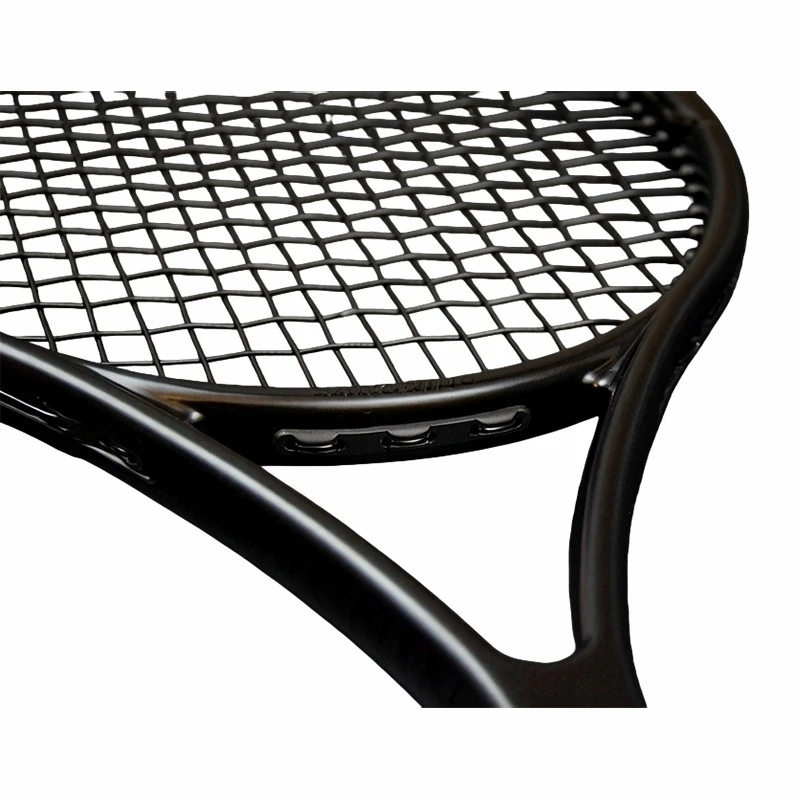
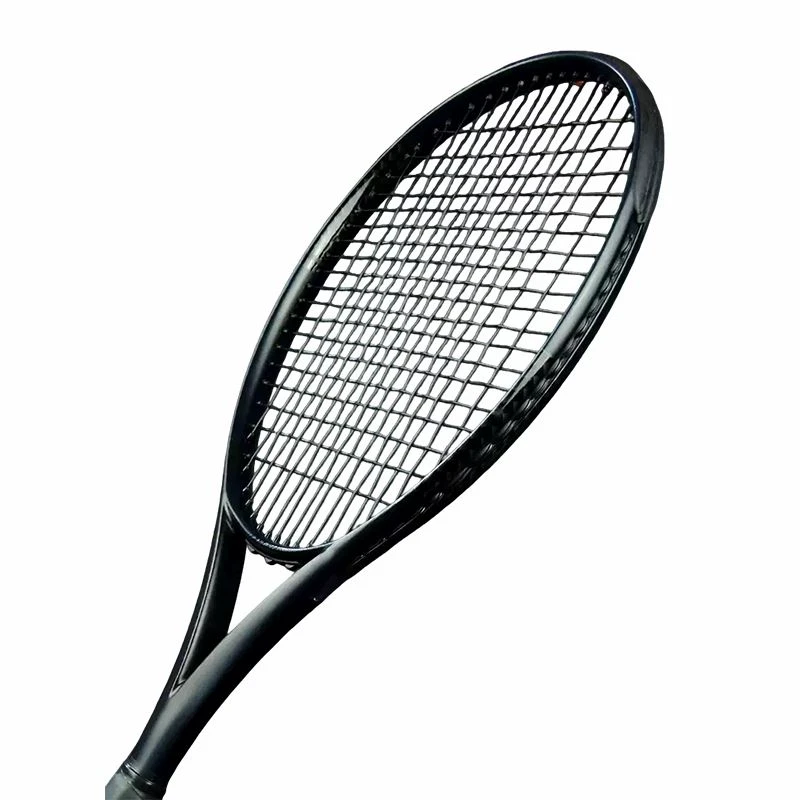
Aluminum Alloy Tennis Rackets
Aluminum alloy tennis rackets have been a popular choice for many years, especially among beginners and recreational players. These rackets are known for their durability and affordability. The aluminum alloy construction provides a solid frame that can withstand the rigors of regular play.
One of the reasons why aluminum alloy rackets are considered forgiving is their relatively large sweet spot. The design of the racket allows for a wider area on the strings where the ball can make contact and still produce a decent shot. This means that even if a player hits the ball slightly off - center, the racket can still transfer a reasonable amount of power and control to the shot.
In addition, aluminum alloy rackets tend to have a lower swing weight compared to some other types of rackets. A lower swing weight makes it easier for players to generate racket speed, which is beneficial for both power and control. This ease of swing also allows players to correct their technique more quickly, reducing the impact of off - center hits.
Other Types of Tennis Rackets
Full Carbon Fiber Tennis Rackets
Full Carbon Fiber Tennis Rackets are another popular option in the tennis market. These rackets are known for their lightweight and high - performance capabilities. Carbon fiber is a very strong and stiff material, which allows for greater power and control when hitting the ball.
However, full carbon fiber rackets may not be as forgiving as aluminum alloy rackets. Their stiffness means that off - center hits can result in a more significant loss of power and control. The sweet spot on carbon fiber rackets is often smaller compared to aluminum alloy rackets, making it more challenging for players to consistently hit the ball in the optimal area.
Rackets for Professional Players
Best Tennis Racquets for Professional Players are typically designed with a focus on performance rather than forgiveness. Professional players have highly developed skills and are able to consistently hit the ball in the sweet spot. These rackets often have a higher swing weight and a more precise design, which allows for maximum power and control when the ball is struck correctly.
For professional players, the trade - off between forgiveness and performance is acceptable because they have the ability to minimize off - center hits. However, for amateur and recreational players, a more forgiving racket is often preferred.
Scientific Evidence on Racket Forgiveness
Several studies have been conducted to measure the forgiveness of different types of tennis rackets. These studies typically involve measuring the power, control, and accuracy of shots made with different rackets at various points on the strings.
One study found that aluminum alloy rackets had a higher coefficient of restitution (COR) on off - center hits compared to full carbon fiber rackets. The COR is a measure of how much energy is transferred from the racket to the ball. A higher COR means that more energy is transferred, resulting in a more powerful shot. This indicates that aluminum alloy rackets are better at compensating for off - center hits.
Another study looked at the vibration levels of different rackets. Vibration can be a sign of an inefficient shot and can also cause discomfort for the player. Aluminum alloy rackets were found to have lower vibration levels on off - center hits, which suggests that they are more forgiving and provide a more comfortable playing experience.
Real - World Experience
In my experience as an Aluminum Alloy Tennis Racket supplier, I've received feedback from many customers about the forgiveness of our rackets. Beginners often appreciate the ease of use and the ability to still get decent shots even when they are learning the proper technique. Recreational players also find that our aluminum alloy rackets allow them to enjoy the game without being too frustrated by off - center hits.
On the other hand, some more advanced players who are used to the performance of carbon fiber rackets may initially find aluminum alloy rackets to be less powerful. However, when they focus on improving their technique and take advantage of the forgiving nature of the racket, they often find that they can still achieve good results.
Conclusion
In conclusion, aluminum alloy tennis rackets are generally more forgiving than other types of rackets, especially full carbon fiber rackets and those designed for professional players. Their larger sweet spot, lower swing weight, and better performance on off - center hits make them a great choice for beginners and recreational players.
If you're looking for a tennis racket that can help you improve your game and minimize the impact of off - center hits, I encourage you to consider our Aluminum Alloy Tennis Rackets. We offer a wide range of models to suit different playing styles and preferences. Whether you're just starting out or looking for a reliable racket for casual play, our aluminum alloy rackets are a great option.
If you're interested in purchasing our aluminum alloy tennis rackets or have any questions about our products, please feel free to contact us for a procurement discussion. We're here to help you find the perfect racket for your needs.
References
- "The Physics of Tennis Rackets" by Rod Cross and Crawford Lindsey
- "Comparative Study of Different Tennis Racket Materials" by Sports Science Journal